Is Fishing in the Rain Worth It?

8 min read
Most anglers pack up their gear the moment they see storm clouds rolling in. I used to be one of them—until that soggy September morning when I caught my personal best largemouth while getting absolutely soaked. That fish changed my perspective on rainy day fishing forever.
The truth is, some of my most memorable fishing experiences have happened when the weather was doing its worst. While everyone else is heading for shelter, the fish are often just getting started. Rain doesn’t ruin fishing—it transforms it into something completely different.
What Rain Actually Does to Fish Behavior
Here’s something that might surprise you: fish don’t mind getting wet. They’re already soaked, right? But rain affects their world in ways that can trigger feeding frenzies or shut them down completely, depending on the conditions.
Light rain often makes fish more active. It breaks up the surface tension, reduces visibility from above (which makes fish feel safer), and increases oxygen levels in the water. Plus, rain washes insects, worms, and other food sources into the water, creating natural feeding opportunities.
Heavy rain is where things get interesting. It can muddy the water, change current patterns, and alter water temperature. These changes can concentrate baitfish and trigger predatory responses. I’ve seen bass bite like crazy during moderate rainfall, especially if it’s been dry for a while.
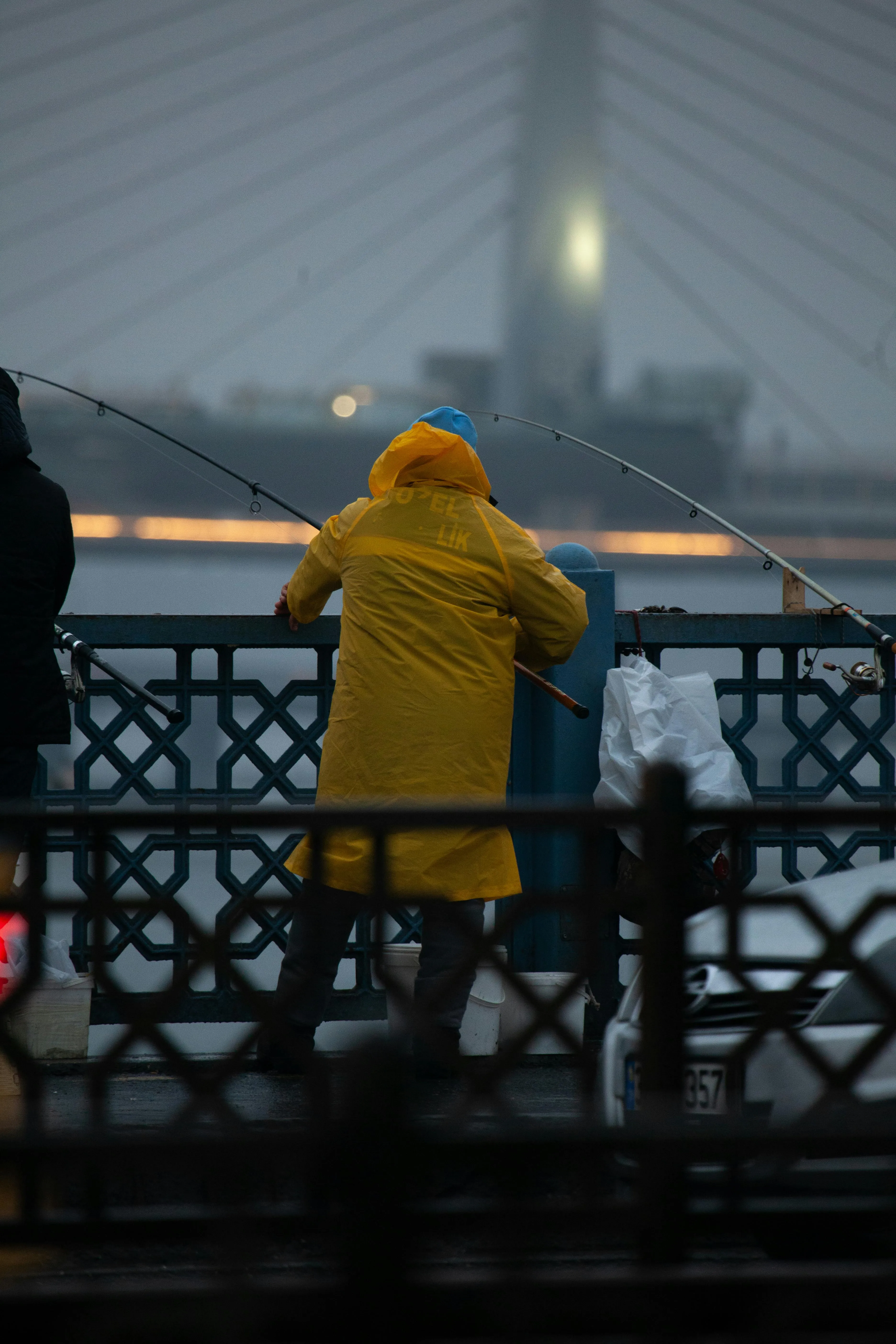
The Science Behind Rain and Fishing
Rain changes water chemistry in subtle but important ways. It increases dissolved oxygen, which makes fish more active. It also changes barometric pressure, and fish are incredibly sensitive to these pressure changes. Many species feed more aggressively when pressure is falling, which typically happens before and during storms.
Temperature plays a huge role too. Summer rain can cool warm surface water, making fish more comfortable in shallow areas they might otherwise avoid. Spring rain can warm cold water, triggering increased activity after a long winter.
The noise factor is often overlooked. Rain creates surface disturbance that masks sounds from above, making fish less spooky. They can’t hear your footsteps or see your shadow as clearly, which means you can get closer and make presentations that would spook them in calm conditions.
When Rain Helps Your Fishing
Not all rain is created equal when it comes to fishing success. Light, steady rain is usually your friend. It’s gentle enough not to blow out the water but significant enough to trigger feeding behavior. This is especially true if it’s the first rain after a dry spell—fish seem to know something good is happening.
Warm rain in spring is absolute gold. It accelerates the warming process that triggers spawning behavior and increases overall fish activity. I’ve had incredible success fishing during warm spring showers, particularly for bass and panfish.
Post-frontal rain can be fantastic too. After a cold front passes through, a warm rain can restart fish activity that was shut down by the pressure change. The key is timing—you want to be there when the rain starts, not after it’s been going for hours.
When Rain Works Against You
Heavy downpours can make fishing nearly impossible. Not just because you’re getting soaked, but because fish behavior changes dramatically. Torrential rain can muddy the water so badly that fish can’t see your lures, and the noise can be so intense that it actually spooks them.
Cold rain in fall or winter can shut down fishing completely. It drops water temperature rapidly, which slows fish metabolism and makes them lethargic. I’ve learned to avoid fishing during cold, driving rain—it’s just not worth the misery.
Long-duration rain events can blow out rivers and streams, making them unfishable for days or even weeks. If you’re planning to fish moving water, check recent rainfall in the watershed before making the trip.
Gear That Keeps You Fishing
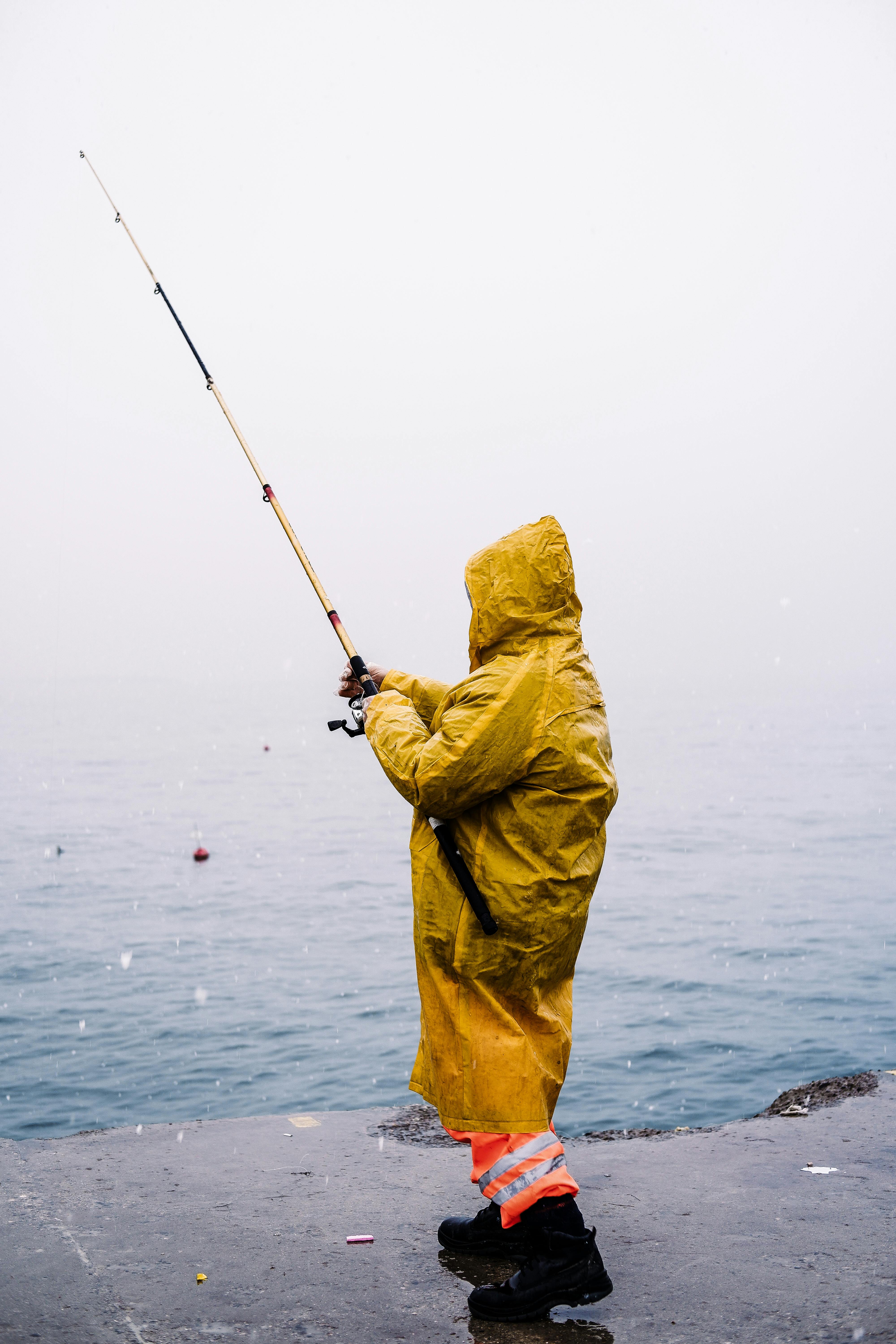
The right rain gear makes all the difference between a miserable experience and an enjoyable one. I’ve learned this the hard way over the years. Cheap rain gear will leave you soaked and miserable, while good gear lets you focus on fishing instead of staying dry.

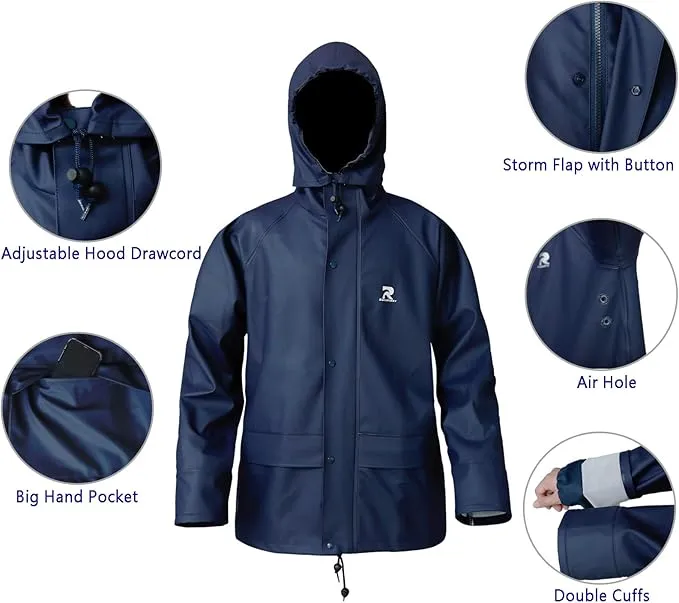
Breathable rain jackets are worth the investment. They keep you dry without turning you into a mobile sauna. Look for features like sealed seams, adjustable cuffs, and a hood that actually stays put in wind.
Waterproof tackle storage becomes critical in the rain. Nothing ruins a fishing trip faster than discovering your tackle box leaked and all your expensive lures are now swimming in rusty water. I use waterproof boxes for everything, and I always bring extra plastic bags for backup.
Don’t forget about your electronics. A wet fish finder or GPS can end your day quickly. Waterproof covers are essential, and I always keep a towel handy for drying off screens and controls.
Lure Selection for Rainy Conditions
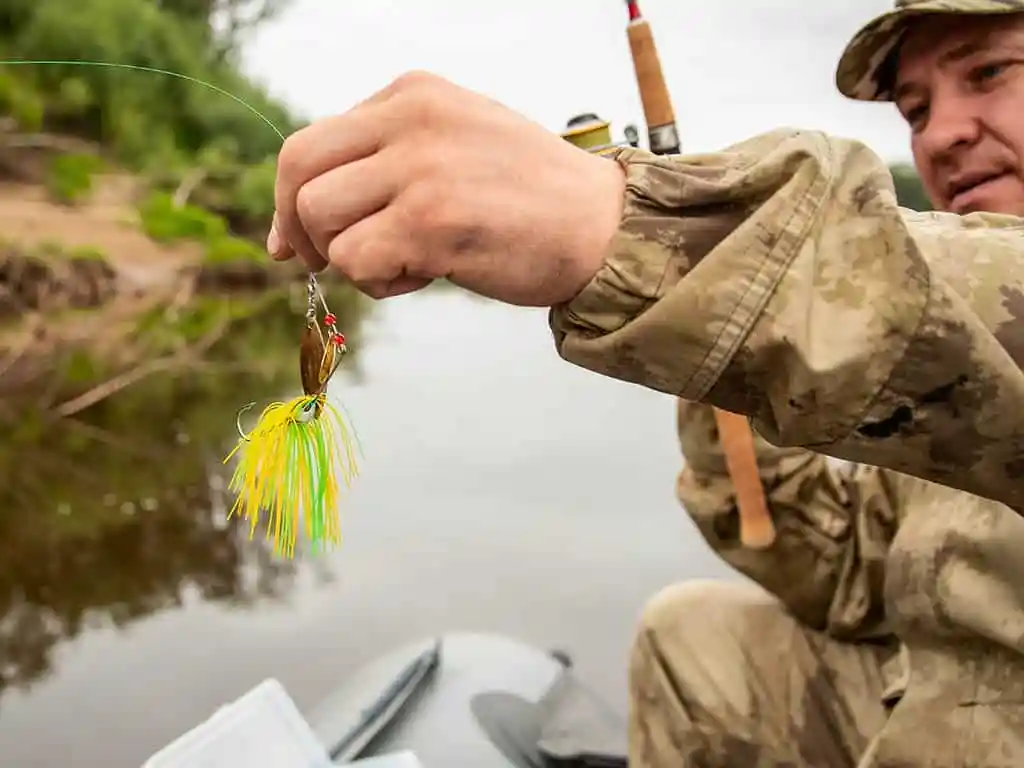
Rain changes how fish see and hear your lures, so you need to adjust accordingly. In murky water caused by rain runoff, switch to lures with more vibration and flash. Spinnerbaits excel in these conditions because they create a lot of commotion that fish can detect even in stained water.
Noisy topwater lures work great during light rain. The surface disturbance from raindrops actually helps mask the splash of your lure, making fish less suspicious. I’ve had incredible topwater action during gentle showers when I wouldn’t even consider surface lures in calm conditions.
Bright colors often work better in rain-stained water. Chartreuse, orange, and red show up well when visibility is reduced. Don’t be afraid to use colors that seem too bright for normal conditions—rainy weather changes the rules.
Safety Considerations You Can’t Ignore
Let me be absolutely clear about this: rain can create dangerous conditions that have nothing to do with getting wet. Lightning is the obvious concern, and you should never fish during thunderstorms. Even distant lightning can be deadly—if you can hear thunder, you’re too close.
Slippery surfaces become treacherous in the rain. Wet docks, rocks, and boat decks can send you into the water faster than you can blink. I always wear shoes with good traction and move carefully when surfaces are wet.
Hypothermia is a real risk, especially in cooler weather. Wet clothes lose their insulating properties, and wind can accelerate heat loss dramatically. Know the signs of hypothermia and have a plan for getting warm and dry quickly if needed.
Specific Techniques for Rainy Day Success
Fishing in the rain requires technique adjustments that many anglers overlook. Surface disturbance from raindrops can actually help certain presentations. Topwater lures become more effective because the natural noise masks their artificial sounds.
Slow presentations often work better in rain because fish may be less aggressive due to reduced visibility. I’ll fish jigs and soft plastics slower than normal, giving fish more time to locate and strike the lure.
Current changes caused by rain runoff create new opportunities. Fresh water flowing into lakes and rivers often triggers feeding activity as fish move to intercept the nutrients and food being washed in.
Species-Specific Rain Strategies
Different fish species react to rain in different ways, and your approach should match their behavior. Bass often become more aggressive during light rain, especially if it’s been sunny for several days. They’ll move shallower and feed more actively.
Trout fishing can be incredible during gentle rain, particularly if it’s washing terrestrial insects into the water. This is when dry fly fishing really shines, even though you might think wet weather would favor wet flies.
Panfish often go crazy during warm rain in spring and summer. The increased oxygen and food sources trigger aggressive feeding behavior that can make for fast action.
Catfish seem to love stormy weather. They become more active as barometric pressure drops, and the murky water makes them less cautious about feeding in shallow areas.
Making the Most of Short Windows
Rain often comes in waves, creating short windows of fishable conditions between downpours. Learning to recognize and capitalize on these windows can turn a mediocre day into a memorable one.
Pre-frontal conditions—that period right before a storm hits—can produce incredible fishing. Fish seem to sense the approaching weather change and feed aggressively. I’ve learned to watch weather radar and position myself to take advantage of these brief opportunities.
Post-rain periods can be just as productive. As water levels stabilize and clarity improves, fish often go on feeding binges. The key is being ready to fish as soon as conditions improve.
The Mental Game of Rainy Day Fishing
Fishing in the rain requires a different mindset than fair-weather fishing. You need to embrace the discomfort and focus on the unique opportunities that rain creates. This isn’t about suffering through bad weather—it’s about recognizing that rain can actually improve fishing conditions.
Honestly, some of my best fishing memories involve getting completely soaked. There’s something about having the water to yourself, about being the only angler crazy enough to stay out there, that makes every fish feel like a victory.
Is It Really Worth It?
So, is fishing in the rain worth it? Absolutely—if you’re prepared for it. The right gear, the right mindset, and the right safety precautions can turn rainy days into some of your most productive fishing experiences.
The key is understanding that rain doesn’t automatically make fishing better or worse—it just makes it different. Fish still need to eat, and they still respond to proper presentations. You just need to adjust your approach to match the conditions.
Remember, every angler who stays home because of a little rain is one less person competing for the fish. Sometimes the best fishing happens when the weather is least cooperative. Just make sure you’re prepared for it, stay safe, and enjoy having the water to yourself.