Fishing for pike in streams

8 min read
Most folks think of pike as lake fish—those toothy monsters lurking in weedy bays and deep structure. But here’s something that might surprise you: some of the most exciting pike fishing happens in streams and rivers. These moving-water pike are different beasts entirely, and once you figure out how to target them, you’ll wonder why you ever bothered with crowded lakes.
I stumbled into stream pike fishing almost by accident. Was working a small river for smallmouth when this torpedo came out of nowhere and absolutely destroyed my spinnerbait. Twenty-six inches of pure aggression with teeth that could open a can. That fish changed everything for me.
Why Stream Pike Are Special
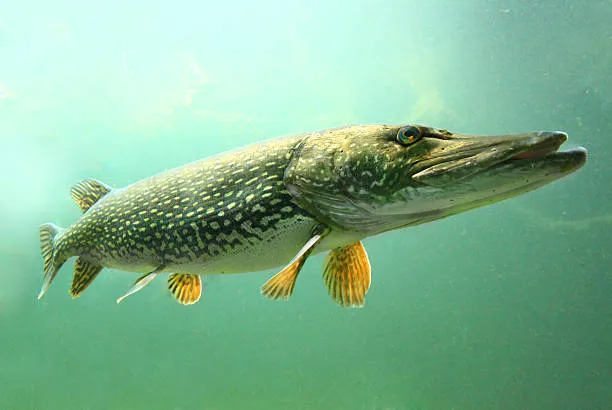
River pike are athletes compared to their lake cousins. They have to be. Constant current keeps them in fighting shape, and they develop this incredible ability to use the flow to their advantage. They’re ambush predators that have mastered the art of positioning themselves where the current does half the work.
These fish also tend to be more aggressive than lake pike. They can’t afford to be picky when a meal drifts by—the current won’t give them a second chance. This makes them more willing to hit lures that lake pike might ignore, but it also means your presentation has to be spot-on.
Finding Pike Water in Streams
Not every stream holds pike, and even those that do won’t have them everywhere. You’re looking for specific habitat features that pike need to survive in moving water. First priority: current breaks. Pike can’t fight heavy flow all day, so they position themselves where they can rest while staying ready to strike.
Look for deep pools with undercut banks, especially where the current has carved out pockets behind rocks or fallen trees. These spots are pike magnets because they offer protection from current while providing ambush opportunities. Mouth areas where tributaries join the main stream are also prime real estate—baitfish get concentrated here, making them easy pickings.
Honestly, some of the best pike water looks pretty unremarkable from the surface. That quiet pool below a riffle might not seem like much, but if it’s got depth and cover, chances are good there’s a pike using it as a hunting ground.
Seasonal Patterns That Matter
Spring is when stream pike fishing really shines. Post-spawn pike are hungry and aggressive, and they’re often found in surprisingly shallow water. They’ll move into side channels and backwaters that warm up first, following the baitfish that are doing the same thing.
Summer changes the game completely. Pike seek cooler water, which usually means deeper pools and areas with spring inflow. They become more selective about when they feed, with early morning and evening being prime time. The good news? When you find summer pike in streams, they’re usually quality fish.
Fall brings some of the year’s best action. Pike are feeding heavily before winter, and they’re less concerned about energy conservation. This is when you’ll encounter the most aggressive strikes and the best chance at truly large fish.
Tackle and Techniques That Work
Stream pike fishing requires different gear than lake fishing. You need tackle that can handle current, snags, and fish that use the flow to their advantage. I prefer a medium-heavy rod with a fast tip—sensitive enough to feel strikes but with enough backbone to horse fish out of heavy cover.
For reels, you want something with a smooth drag system. Stream pike will use the current to help them fight, and a jerky drag will cost you fish. Baitcasters work great for accuracy, but don’t overlook spinning reels if you’re more comfortable with them.
Line choice is critical. You need something that can handle teeth and snags without being so heavy it affects lure action. Fluorocarbon leaders are a must—pike have excellent eyesight in clear stream water, and they’ll shy away from visible wire in many situations.
Lure Selection for Moving Water
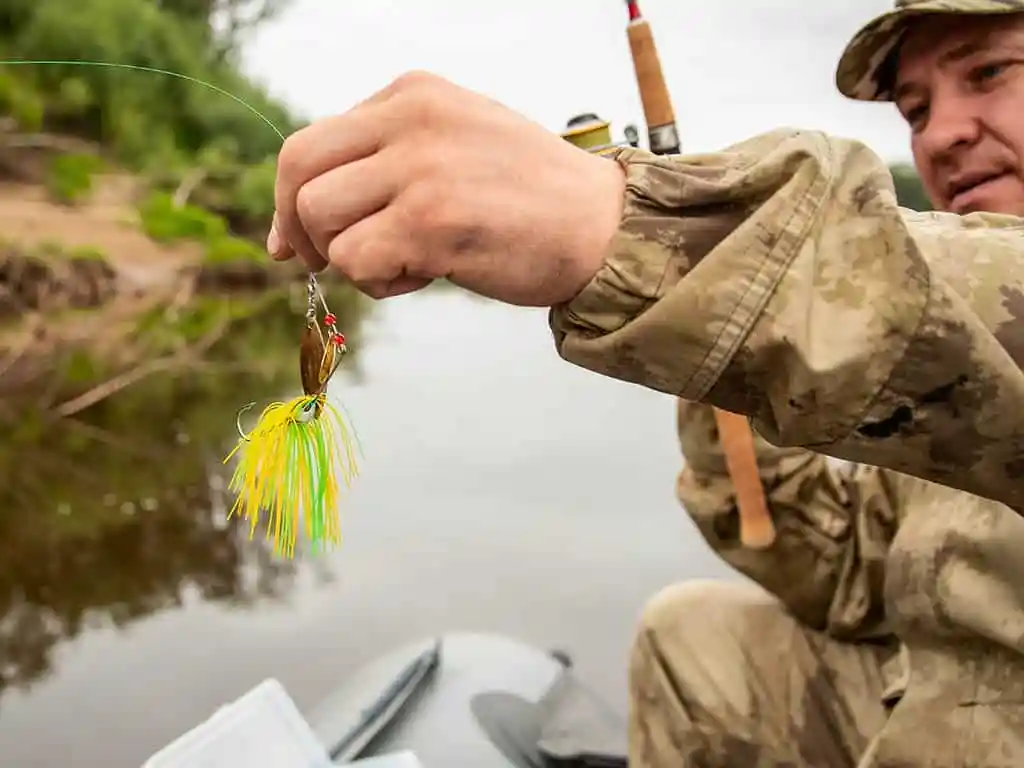
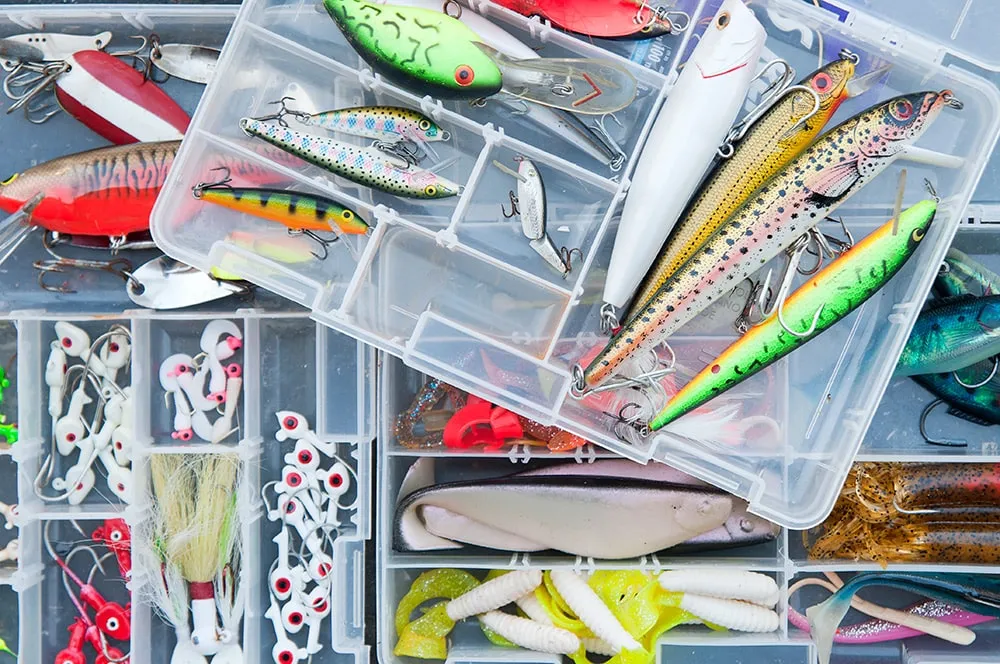
Here’s where stream pike fishing gets really interesting. The lures that work best aren’t always the obvious choices. Spinnerbaits are fantastic because they can be worked at various speeds and depths while maintaining action in current. The flash and vibration cut through the water noise that masks other lures.
Jerkbaits are incredibly effective, especially in deeper pools. You can work them with or against the current, and pike seem to love the erratic action. The key is matching your retrieve to the current speed—too fast and the lure looks unnatural, too slow and it gets swept away.
Soft plastics deserve special mention. A large swimbait worked slowly through a deep pool can be absolutely deadly. The trick is using enough weight to maintain control without making the lure look unnatural. I’ve had great success with paddle-tail swimbaits in the 4-6 inch range.
Reading Stream Structure Like a Pro
The biggest mistake I see stream pike anglers make is fishing the obvious spots and ignoring the subtle stuff. Yes, that big fallen tree looks like prime pike habitat—and it probably is. But what about that slight depression in the bank twenty yards upstream? Or that pocket of calm water behind that mid-stream boulder?
Pike use these subtle features as staging areas. They might not hold there all day, but they’ll use them as travel routes and temporary hunting grounds. Learning to identify these secondary spots is what separates consistent pike catchers from occasional lucky anglers.
Current seams are particularly important. Where fast water meets slow water, you’ll find concentrated baitfish and, consequently, pike. These areas change constantly as water levels fluctuate, so what worked last week might not work today.
Presentation Strategies That Produce
Current changes everything about lure presentation. You can’t just cast and retrieve like you would in still water. The current is either working for you or against you, and successful stream pike fishing means learning to use it as a tool.
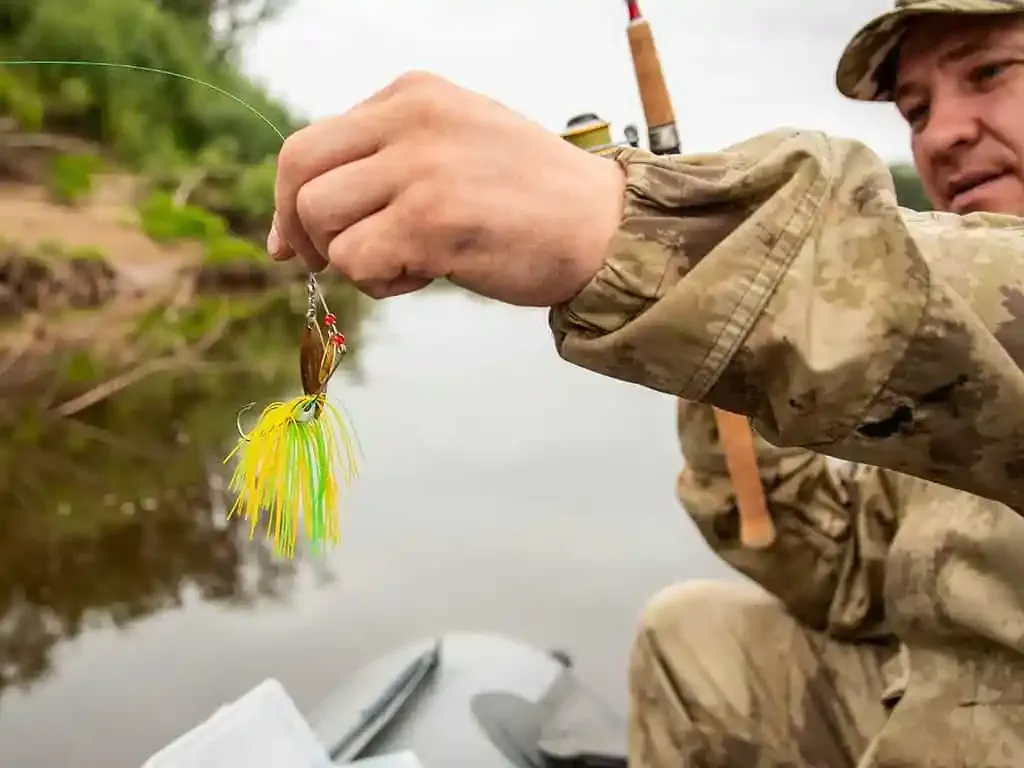
Upstream presentations often work best. Cast upstream and work your lure back with the current. This mimics how most prey moves in streams—wounded or disoriented fish get swept downstream. The trick is controlling your lure speed so it moves slightly faster than the current, creating that wounded-fish action that triggers strikes.
Cross-current presentations can be deadly too. Cast across the flow and let the current sweep your lure while you maintain contact. This creates a natural swimming action that’s hard to replicate any other way.
Safety and Ethics on the Stream
Let me be clear about something: stream fishing presents unique challenges that still-water fishing doesn’t. Current can be deceptive, and what looks like ankle-deep water might have holes that’ll put you in over your head. Always wear a life jacket if you’re wading in unfamiliar water, and let someone know where you’re fishing.
From an ethical standpoint, stream pike populations are often more fragile than lake populations. These fish have limited habitat and face pressure from multiple sources. Practice catch and release whenever possible, and handle fish carefully—a stressed pike released in current has a harder time recovering than one released in still water.
Advanced Techniques for Tough Conditions
Sometimes standard approaches don’t work. High water, low water, heavily pressured fish—these situations require different tactics. During high water, pike often move to slack-water areas that are normally dry. These temporary pools can hold surprising numbers of fish, but they’re easy to overlook.
Low water concentrates pike in the deepest available holes. This makes them easier to locate but harder to catch because they’re often spooky. Switch to more natural presentations and lighter tackle during these conditions.
Heavily pressured pike become lure-shy fast. This is when you break out the unconventional stuff—large soft plastics, Alabama rigs, even big streamer flies if you’re comfortable with a fly rod. Sometimes the fish just need to see something different.
Putting It All Together
Stream pike fishing is addictive once you get the hang of it. There’s something primal about working moving water for these apex predators. Every cast feels like it could produce a monster, and the variety of techniques keeps things interesting.
The key is spending time on the water and learning to read the specific streams you fish. Each river system has its own personality, its own seasonal patterns, its own secrets. The more time you invest in understanding these patterns, the more consistent your success becomes.
Remember, stream pike aren’t just smaller versions of lake pike—they’re a different challenge entirely. They require different techniques, different thinking, and different respect for their environment. But when you hook into a stream-bred northern pike that uses the current to triple the fight, you’ll understand why this style of fishing is so addictive.
Start with one stream system and really get to know it. Learn its seasonal patterns, its best spots, its quirks and challenges. Master that water, and you’ll have the skills to succeed anywhere pike swim in moving water.