How to Read Water Currents for Better Fishing

7 min read
You know what separates the guys who consistently bring home fish from those who spend more time untangling line than actually fishing? It’s not always about having the fanciest gear or knowing every secret spot on the lake. More often than not, it comes down to understanding something most anglers completely overlook: water currents.
I’ve been fishing for over two decades, and I can’t tell you how many times I’ve watched someone cast into what looks like perfect water, only to come up empty-handed. Meanwhile, the old-timer next to them is pulling in fish after fish from a spot that doesn’t look like much. The difference? That experienced angler knows how to read the water.
Why Current Matters More Than You Think
Water current isn’t just about which direction the water flows—though that’s certainly part of it. Think of current as the highway system of any body of water. Fish use these underwater roads to travel, hunt, and rest. When you understand where these highways go and how they work, you’re essentially getting a roadmap to where the fish are hanging out.
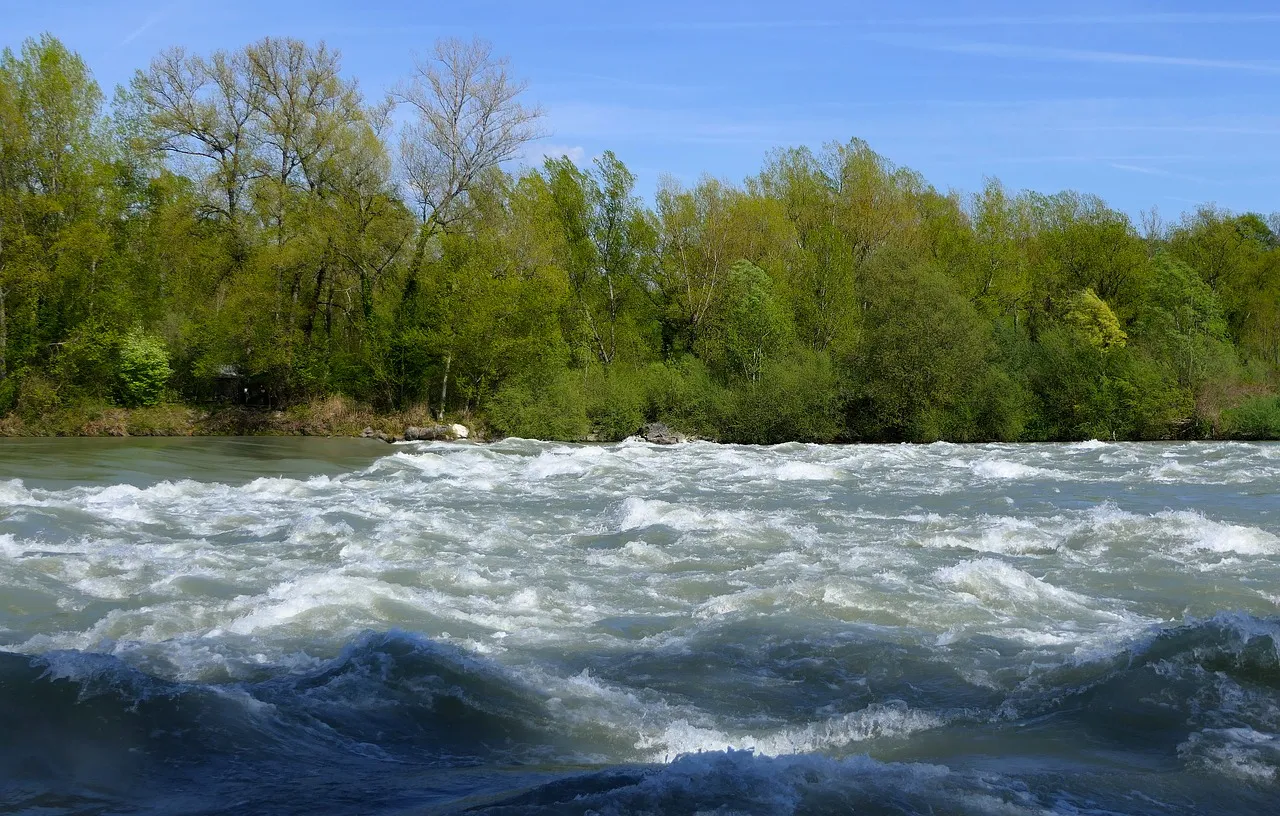
Fish are lazy—and I mean that in the best way possible. They don’t want to fight strong current all day any more than you’d want to walk uphill both ways to work. They look for spots where they can hold position without exhausting themselves while still having access to food that the current brings their way.
The Art of Reading Surface Clues
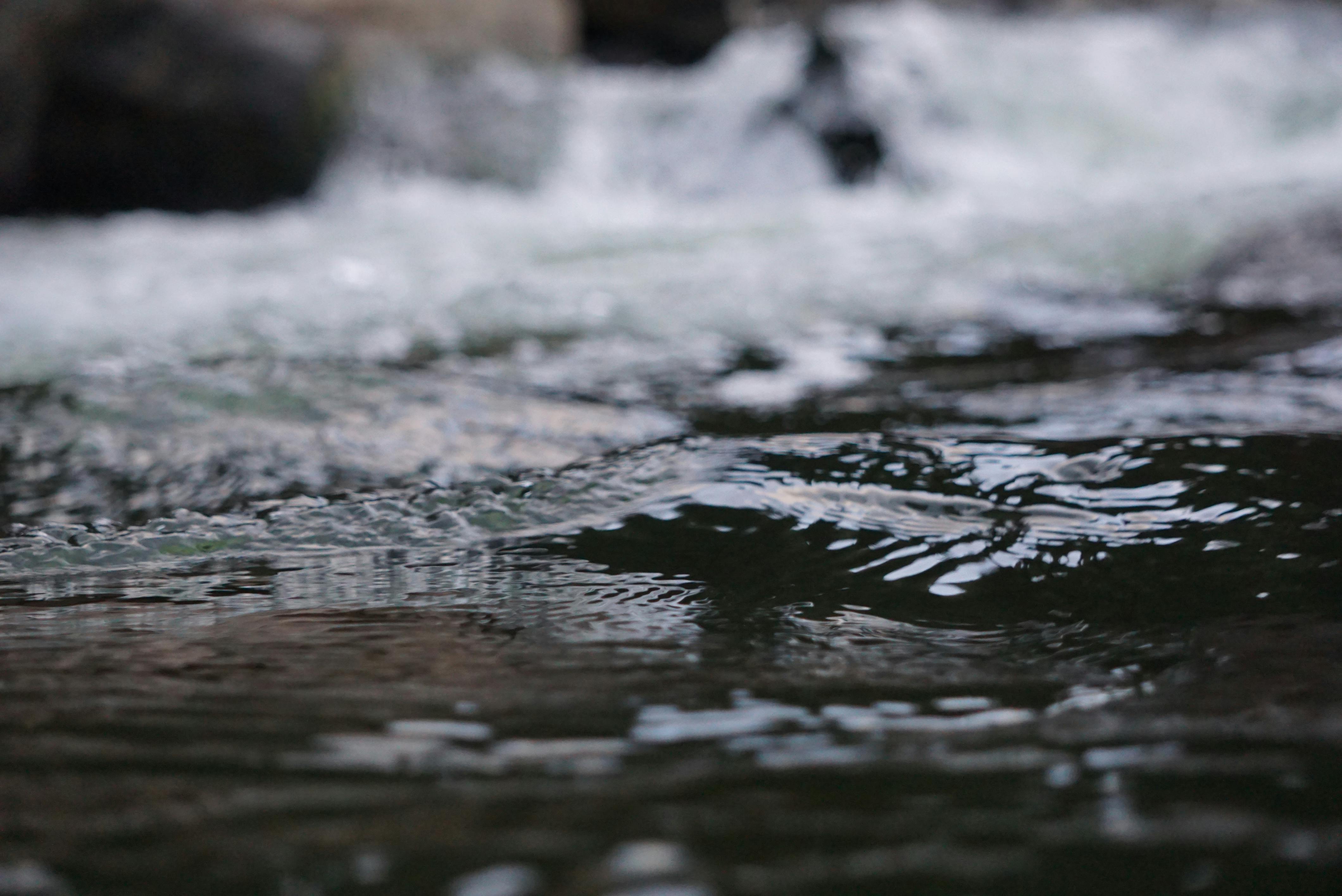
Here’s something that might surprise you: most of what you need to know about underwater currents is written right there on the surface. The water is constantly telling you stories if you know how to listen.
Look for foam lines first. These aren’t just random bubbles—they mark current edges where fast water meets slow water. Fish love these transition zones because they can sit in the slower water and dart out to grab food carried by the faster current. It’s like having a conveyor belt deliver your dinner while you relax in your easy chair.
Honestly, some of the best fishing I’ve ever had was right along these foam lines. Bass, trout, even panfish—they all use these current breaks. The key is positioning your bait or lure so it moves naturally with the current, not against it.
Understanding Current Speed and Fish Behavior
Not all currents are created equal, and different fish species have their preferences. Trout, for instance, love moderate current. They’re built for it—streamlined bodies, powerful fins. They can hold in surprisingly fast water that would exhaust other species.
Bass, on the other hand, prefer the edges. They’ll position themselves where they can ambush prey without fighting the main current. Pike and muskie? They’re opportunists. They’ll use current breaks and eddies as ambush points, waiting for smaller fish to get swept their way.
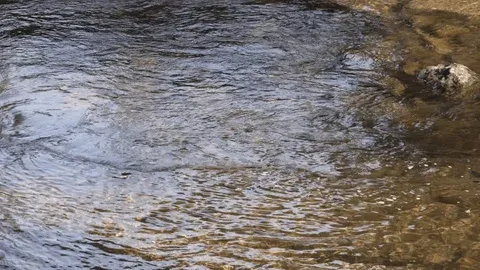
The speed of the current also tells you how to present your bait. In fast water, fish have split seconds to decide whether to strike. Your presentation needs to look natural and easy to catch. In slower current, they have more time to inspect your offering—which means your gear needs to be more convincing.
Reading Underwater Structure Through Current
Here’s where things get really interesting. Current doesn’t just flow in straight lines—it gets deflected, accelerated, and slowed down by whatever’s underneath the surface. Large rocks, fallen trees, drop-offs, and underwater ledges all create their own current patterns.
When current hits a large underwater object, it does a few predictable things. It speeds up as it flows around the sides, creating what we call “squeeze zones.” It slows down immediately downstream, forming a cushion or eddy. And sometimes it creates back-eddies that flow upstream behind the obstruction.
Each of these zones holds different types of fish at different times. The squeeze zones might hold smaller baitfish getting pushed along. The cushion areas often harbor larger predators waiting for an easy meal. The back-eddies? That’s where exhausted baitfish end up, making them perfect hunting grounds.
Seasonal Current Changes
Let me tell you something that took me years to figure out: current patterns change throughout the year, and smart anglers adjust accordingly. Spring runoff creates entirely different fishing conditions than summer low water or fall transitions.
During spring, increased water volume means stronger currents and different flow patterns. Fish that were in deep wintering holes start moving to shallower areas, following the current and the food it carries. This is when reading current becomes absolutely critical because fish are actively feeding and positioning themselves in the flow.
Summer brings lower water levels and more predictable current patterns. Fish become more selective about where they hold, often seeking out the most efficient current breaks. Fall? That’s when current helps concentrate baitfish, creating some of the year’s best fishing opportunities.
Practical Techniques for Different Water Types
Rivers and streams are obviously the most current-dependent fishing environments, but don’t think lakes and ponds are current-free. Even small bodies of water have subtle currents created by wind, thermal layers, and inlet/outlet flows.
In moving water, I like to start by identifying the main current seam—that’s your primary highway. Then I look for secondary currents, back-eddies, and cushion zones. I’ll work these systematically, starting upstream and working down, covering water methodically.
For lakes, wind is your current creator. A steady wind pushing across the lake creates drift lines where surface currents converge. These lines concentrate plankton, which attracts baitfish, which attracts everything else up the food chain. Position yourself to fish these drift lines and you’re fishing smart, not just hard.
When Current Works Against You
Here’s the thing nobody talks about enough: sometimes current makes fishing more difficult, and you need to adjust your approach rather than fight it. Strong current can make it nearly impossible to feel subtle bites, can sweep your bait away from target areas, and can exhaust fish quickly once hooked.
In these situations, I switch to heavier tackle that can handle the flow. I might use inline sinkers to get my bait down and keep it in the strike zone. Sometimes I’ll fish directly upstream, letting the current work for me rather than against me.
The key is recognizing when to adapt your technique rather than stubbornly sticking to what usually works. Current conditions change throughout the day, and successful anglers change with them.
Putting It All Together
Reading water current is like learning to read—once you understand the basics, everything else starts making sense. You’ll begin noticing details that were always there but invisible to you before. That slight ripple pattern suddenly reveals an underwater boulder. That smooth patch tells you about a deep hole. That foam line becomes a fish highway.
Start small. Pick one body of water and really study it throughout different seasons and conditions. Watch how current patterns change with water levels, weather, and time of day. Notice where you catch fish and what the current was doing in those spots.
Most importantly, don’t get discouraged if it takes time to develop this skill. Even experienced guides are constantly learning new things about reading water. The fish are always teaching us something new, and the current is their classroom.
Remember, every piece of water has its own personality, its own current signatures. The more time you spend learning to read these liquid highways, the more consistently you’ll find yourself in the right place at the right time—and that’s when fishing stops being about luck and starts being about skill.